
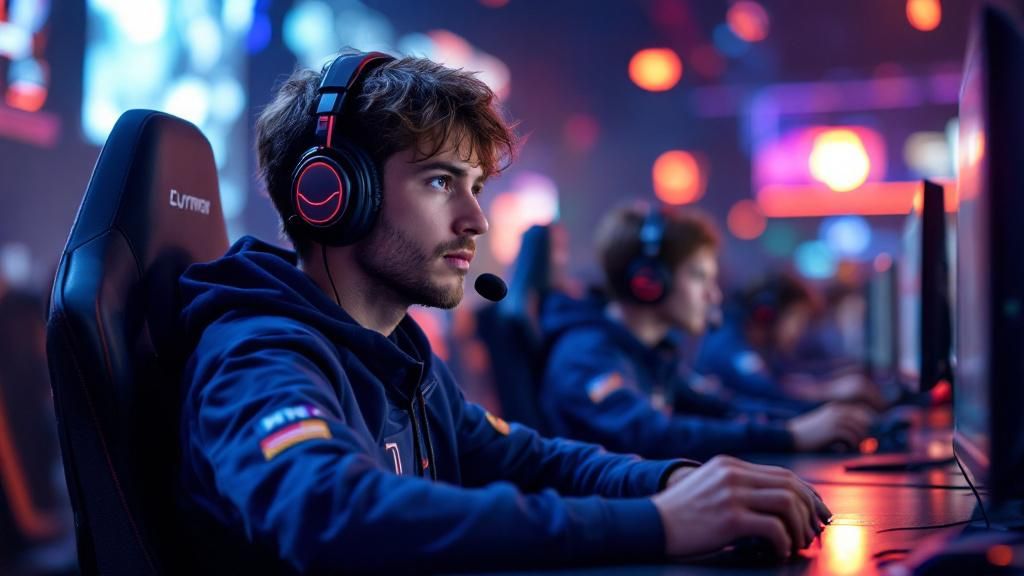
The esports industry has advanced substantially in emphasising competitor wellbeing. Leading esports bodies have together launched a comprehensive player welfare standards framework, addressing longstanding concerns about mental wellbeing, labour conditions, and just treatment within competitive esports. This landmark initiative represents a critical juncture for esports legitimacy, setting foundational safeguards that could transform how the industry operates. We examine the framework’s key provisions, the entities leading this transformation, and what it means for athletes and professional gaming going forward.
Industry-Wide Commitment to Player Health
The coordinated partnership between prominent esports bodies marks a significant milestone for athlete safeguarding within professional esports. This integrated system demonstrates the industry’s genuine commitment to creating lasting protocols that place athlete welfare first alongside competitive excellence. By combining knowledge and capabilities, these organisations have established thorough standards addressing physical condition, emotional health, and professional security. The programme demonstrates growing recognition that athlete wellbeing significantly affects output standards and sustained careers, making it crucial for the sector’s reputation and development.
Tournament administrators have acknowledged that past requirements were scattered and uneven, exposing competitors to exploitation and burnout. The revised structure creates uniform requirements among principal events, guaranteeing all professional athletes gets fair consideration and access to essential support services. This unified strategy eradicates unequal conditions stemming from inconsistent protections and establishes a level playing field. Industry leaders highlight that these standards constitute baseline expectations, prompting entities to surpass fundamental requirements and create truly caring settings where players can thrive across professional and personal dimensions.
Key Aspects of the Welfare System
The recently created welfare framework consists of multiple linked pillars intended to ensure player protection comprehensively. These provisions cover mental wellbeing assistance, physical health, reasonable working standards, and clear dispute handling mechanisms. By combining these components, tournament operators aim to establish an integrated system that acknowledges esports athletes as professional competitors entitled to strong safeguards. The framework defines minimum standards that all participating tournaments are required to adopt, providing consistent player safeguards across the competitive gaming landscape.
Mental Health Support Services
Understanding the mental health challenges characteristic of competitive esports, the framework requires provision of mental health specialists for all players competing. Tournament operators must provide confidential therapy services, via direct provision or partnerships with qualified mental health providers. Such services include managing stress, support for performance-related anxiety, and emergency intervention services. Players have access to trained psychologists who comprehend esports-specific issues, encompassing online abuse, severe competitive pressure, and career uncertainty.
The framework also requires tournaments to establish psychological awareness schemes and destigmatisation initiatives across the community. Organisers need to train players, coaches, and staff about identifying mental health concerns and utilising proper help. Ongoing assessments and wellness monitoring systems help spot struggling players early, facilitating preventative measures before situations progress into critical psychological situations.
Physical Wellness Requirements
Tournament coordinators must implement thorough health and safety standards tackling ergonomics, recovery intervals, and medical oversight. The framework mandates correct seating arrangements, display positioning, and downtime to reduce repetitive strain injuries frequently seen in esports professionals. Healthcare professionals must attend at major tournaments to manage acute health issues, whilst organisers are obliged to give advice about injury avoidance and proper healthcare support for long-term player development.
Environmental circumstances at tournament venues are now subject to strict standards ensuring player comfort and safety. Regulations address temperature control, lighting standards, and noise levels to establish optimal competitive conditions. Additionally, the framework promotes players to have regular health assessments and offers guidance on nutrition, sleep hygiene, and exercise routines crucial for sustained competitive excellence in esports.
- Ergonomic equipment assessments conducted by qualified specialists
- Mandatory rest periods between matches preventing player exhaustion
- Medical personnel on location available during all competitive events
- Injury prevention education and recovery programme access
- Wellness tracking systems tracking player wellbeing across the year
Implementation Timeline and Standards
The framework will be rolled out in three separate phases, beginning immediately with initial evaluations across involved stakeholders. Tournament operators have pledged to completing baseline audits of their current practices by the first quarter deadline, pinpointing differences between present frameworks and the new standards. This preliminary stage ensures a comprehensive assessment of each organisation’s baseline position before making material alterations. Later stages will involve team training, policy updates, and the establishment of independent oversight mechanisms to secure conformity and accountability throughout the esports industry.
The standards themselves encompass mandatory provisions relating to mental health support, sensible practice arrangements, and open reward distribution systems. Each organisation should establish a designated welfare champion tasked with handling grievances and upholding guidelines. Periodic reviews, conducted by third-party bodies, will verify compliance and identify areas requiring improvement. These extensive protections create quantifiable standards for competitor welfare, with enforcement mechanisms including financial penalties and possible competition restrictions for organisations unable to meet required standards.
Industry Reaction and Outlook Ahead
The initiative has received considerable endorsement from participants throughout the competitive gaming sector. Player unions have commended the framework as a necessary step towards professionalising the sector, whilst organisation proprietors and sponsors recognise the potential for greater credibility and sustainability. Gaming equipment manufacturers and content distribution networks have pledged to integrate welfare considerations into their business practices, reflecting a unified resolve to systemic change. Initial signs indicate that regulatory bodies and government officials view the criteria favourably, potentially paving the way for formal legal recognition of esports as a legitimate professional sector.
Looking ahead, sector analysts predict that this framework will serve as a blueprint for worldwide implementation, with regional competitions and smaller competitions set to implement comparable standards. The programme is likely to inspire ongoing discussion regarding player compensation, professional progression routes, and mental health resources. As esports continues its rapid expansion, these player protections represent a vital protection mechanism guaranteeing that competitive gaming stays viable, welcoming, and considerate for all participants, ultimately reinforcing the industry’s position as a genuine professional discipline.
